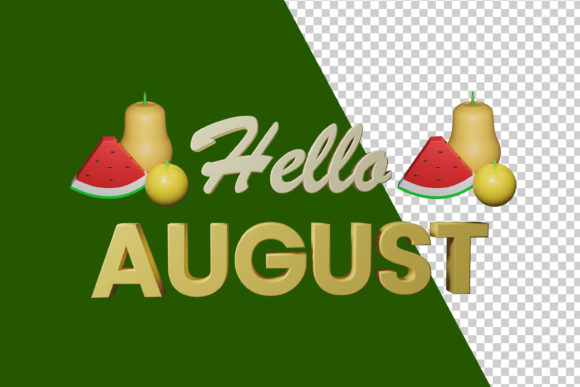
3D Render Hello August: Summer 3D SVG Asset Review
First Impressions: Setting the Tone for Late Summer Campaigns
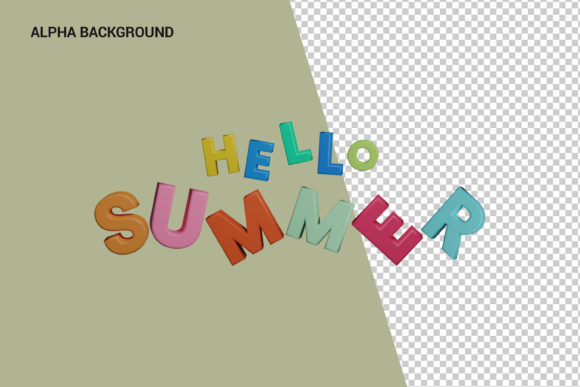
As a brand designer reviewing assets for upcoming seasonal transitions, my first impression of the 3D Render Hello August asset is that it successfully bridges the gap between high-energy summer vibes and the polished aesthetic required for professional marketing. When sourcing a graphic design asset for late-season campaigns, the primary challenge is often finding visuals that feel festive without appearing amateurish or cluttered. This specific 3d Summer render achieves a vibrant, tactile quality that immediately signals warmth and approachability. The colorful, isometric style creates a sense of depth and playfulness that flat vector art sometimes lacks, making it particularly effective for brands targeting lifestyle audiences, creative entrepreneurs, and digital product consumers.
The mood this asset establishes is optimistic yet structured. Unlike generic clipart, the 3D rendering suggests a higher production value, which directly influences audience perception. For small business branding or online coaches launching a new module in August, this visual tone helps build immediate audience trust. It feels premium enough for commercial design but retains the accessibility needed for social media graphics and blog headers. The emotional resonance here is key; it evokes the "last hurrah" of summer, creating urgency for seasonal offers while maintaining a clean, modern design language that supports rather than distracts from your core message.
Technical Versatility: Integrating PSD and PNG Files into Brand Workflows
From a practical content marketing perspective, the technical specifications of this asset are what make it a viable tool for real-world projects. The package includes a 3000x2000 resolution PSD file with smart layers and a transparent PNG, which is essential for maintaining visual consistency across different platforms. As a marketer, I appreciate that the lettering is fully editable via smart objects. This flexibility allows me to adapt the asset for various touchpoints without breaking brand identity. For instance, if I am designing a Pinterest pin promoting an "End of Summer Sale," I can adjust the text color to match the client’s specific hex codes, ensuring the asset doesn't look like a stock template.
While the product title references 3D SVG, receiving high-resolution raster files alongside vector-compatible workflows ensures you have the right format for every need. The 3000px width provides ample bleed room for print applications like packaging inserts or event flyers, while the PNG version is optimized for quick deployment in Canva templates or email banners. This dual-format utility makes it a strong contender for any design bundle intended for multi-channel marketing. Whether you are creating digital ads for Facebook or editorial design layouts for a lifestyle blog, the ability to manipulate the smart layer means the asset grows with your campaign rather than limiting it.
Strategic Applications: Elevating Visual Hierarchy in Seasonal Marketing
In a recent project simulating a product launch for a skincare line, I tested how 3D Render Hello August performs as a hero graphic. The asset’s strength lies in its ability to anchor visual hierarchy. Because the 3D elements have weight and shadow, they naturally draw the eye, making them perfect for stopping the scroll on Instagram or highlighting a call-to-action on a landing page. For digital sellers and product creators, using this type of dimensional illustration adds perceived value to intangible goods. It transforms a standard promotional banner into a piece of immersive content marketing that feels tangible and expensive.
Beyond social media, this asset excels in web design and lead magnets. Imagine using it as a header for an August newsletter or as a cover element for a downloadable summer checklist. The colorful shapes provide negative space opportunities where text can sit comfortably, improving readability. For packaging design, specifically for limited-edition seasonal boxes or stickers, the isometric perspective offers a unique angle that stands out against flat competitor visuals. It supports stronger recognition by associating your brand with high-quality, modern design trends rather than outdated seasonal tropes. When used correctly, it reinforces professional branding and keeps your visual output looking fresh and relevant.
Optimizing for Engagement Without Sacrificing Clarity
To maximize engagement, this asset works best when treated as a supporting character rather than the entire story. It is ideal for:
- Campaign Headers: Use the full composition for website heroes or YouTube thumbnails where dimensions allow the details to shine.
- Social Media Covers: The wide aspect ratio fits perfectly for LinkedIn or Facebook banners, providing instant seasonal context.
- Product Mockups: Place digital products or physical merchandise adjacent to the 3D elements to create a cohesive scene.
- Email Marketing: Crop specific icons or shapes from the main render to use as bullet points or dividers in newsletters.
However, caution is necessary. Avoid using this asset in dense information layouts or highly formal corporate branding where playfulness might undermine authority. In small mobile graphics, the intricate 3D details may get lost, so always preview at actual size. Additionally, ensure sufficient contrast; placing colorful 3D text over a busy background will destroy readability. Always test against your brand’s typography—this asset pairs beautifully with bold sans-serif fonts for a modern look or elegant serifs for a premium editorial feel, but may clash with overly ornate script fonts.
Designer’s Checklist: Ensuring Commercial Viability and Brand Safety
Before integrating 3D Render Hello August into paid campaigns or client work, run through this practical validation process to protect your brand integrity:
- Palette Testing: Open the PSD and apply your brand’s color overlay to the smart layer. Does it still read clearly? If your brand colors are muted, consider desaturating the asset slightly to prevent visual vibration.
- Monochrome Check: Convert the layer to black and white. If the 3D form relies entirely on color to define shape, it may not work for single-color print jobs or accessible design requirements.
- Licensing Verification: Confirm the commercial license terms specifically for your use case. If you are selling Canva templates or incorporating it into a logo design, ensure the license permits derivative works and resale.
- Competitor Audit: Search the creative marketplace to see how others are using this exact asset. If it is oversaturated in your niche, customize the lighting or composition significantly to maintain uniqueness.
- Typography Pairing: Test the asset next to your primary headline font. Ensure the x-heights and visual weights balance each other. The 3D text should not overpower your value proposition.
By treating this digital product as a strategic component of your broader visual system, you move beyond simple decoration. You leverage the psychological impact of 3D design to enhance communication, drive engagement, and maintain a cohesive brand narrative throughout the summer season. Whether for a printable design project or a complex digital ad campaign, thoughtful integration ensures this asset delivers ROI rather than just aesthetic appeal.