Bicycle Paper Cutting Machine SVG Review
As a designer who constantly bridges the gap between digital assets and tangible handmade products, I approach every new file with a specific question: will this actually translate to thread? When I first opened the Bicycle Paper Cutting Machine SVG, my immediate reaction was one of cautious optimism. Marketed as a multi-layer 3D template featuring a bike at a fence, this design originates from the paper cutting world. However, for those of us in the embroidery and apparel decoration space, it presents a unique opportunity to adapt intricate layering techniques into stitch. This review evaluates the design not just as a digital download, but as a viable candidate for real-world machine embroidery projects, custom apparel, and commercial craft business inventory.
Translating Paper Layers to Stitch Density
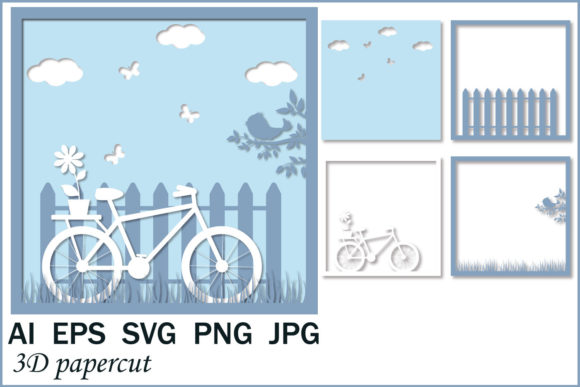
The visual personality of this Bicycle Paper Cutting Machine SVG is distinct. It carries a nostalgic, folk-art aesthetic that feels handcrafted rather than industrial. The "bike at the fence" motif suggests movement paused in time, creating a mood that is both active and serene. For an embroidery designer, the challenge lies in interpreting "multi-layer 3D." In paper crafting, depth is achieved through physical spacing. In embroidery, we must simulate this depth through stitch density, thread color contrast, and strategic use of fill stitch versus satin stitch.
When reviewing the artboard where all layers are presented, I look for clean vector paths. A good embroidery file adaptation requires smooth nodes. If the original SVG has jagged edges intended for laser cutting, they can cause unnecessary jumps or rough outlines when digitized. This design appears to have the structural integrity needed for conversion. The separation of the bicycle from the fence background allows for flexible placement, which is crucial when adapting a Shapes category asset for different garment types. The assembled image provided serves as an excellent reference for color blocking, helping digitizers understand which elements should sit visually on top without relying solely on guesswork.
Real-World Application: The Canvas Tote Test
To truly evaluate this asset, I mentally placed it into a current client project: a series of premium canvas tote bags for a local cycling boutique. Tote bag embroidery requires bold visuals because the fabric texture can swallow fine details. The Bicycle Paper Cutting Machine SVG fits this use case surprisingly well, provided the digitizing respects the medium.
For this specific handmade product, the fence element acts as a grounding frame, while the bicycle serves as the focal point. Using a running stitch for the fence slats creates a sketch-like quality that mimics the original paper cut style without adding excessive bulk. Conversely, the bicycle frame benefits from a denser fill stitch or a medium-weight satin stitch to pop against the natural canvas. This contrast in texture is what elevates a standard embroidered patch or design into a high-value boutique item. Customers perceive this variation as intentional artistry rather than generic clipart. For Etsy sellers and small shop owners, this level of thoughtful adaptation is what justifies a higher price point and builds brand consistency.
Navigating Fabric Limitations and Hoop Sizes
While the design is versatile, it demands respect for fabric physics. Not every substrate is suitable for a multi-layer interpretation. I would advise extreme caution when attempting this Bicycle Paper Cutting Machine SVG on stretchy knits like lightweight t-shirts or performance wear. The cumulative weight of simulating 3D layers can distort stretchy fabric, leading to puckering even with adequate stabilizer. This design naturally belongs on stable, woven fabrics such as denim aprons, pillow covers, tea towels, and heavy sweatshirts.
Hoop size is another critical consideration. Because the composition includes both a vertical fence and a horizontal bike profile, it likely requires a wider aspect ratio. Attempting to shrink this complex scene into a 4x4 hoop for baby embroidery or cap designs would result in lost detail and muddy stitching. Tiny lettering or thin connecting lines in the fence structure may disappear or break if scaled down too aggressively. For caps specifically, the curvature combined with the design’s width could lead to registration issues. Always verify the dimensions against your machine’s capabilities before committing to a production run. If you are targeting the baby embroidery market, consider isolating just the bicycle element and removing the fence to maintain clarity at smaller sizes.
Commercial Viability and Customer Perception
For creative entrepreneurs and digital product sellers, the value of this asset extends beyond personal use. The "hand-cut paper" origin story adds marketing narrative to your finished product. When listing items online, using the provided assembled image as a base for printable mockups helps customers visualize the final result. However, transparency is key. Clearly communicate that the finished product is an embroidered interpretation of a paper cutting style. This manages expectations regarding texture and sheen.
In terms of commercial embroidery, this design strikes a balance between trendy and timeless. Bicycles are perennially popular in nursery decor, holiday gifts, and outdoor lifestyle branding. The artistic treatment prevents it from looking like stock vector art found on mass-produced merchandise. For craft fair products, this uniqueness drives engagement. Shoppers stop to look because the texture invites touch. That tactile interest is the hallmark of successful handmade presentation. Just ensure you have confirmed the licensing terms for commercial use before selling finished goods or incorporating the digital embroidery file into products for sale.
Essential Designer Notes for Success
Before loading this Bicycle Paper Cutting Machine SVG into your software or machine, adhere to these practical checkpoints to ensure professional results:
- Test on Scrap Fabric First: Never run a new multi-layer design on a final product without testing. Use a scrap of the exact fabric and stabilizer combination you intend to use for the project to check for registration shifts.
- Evaluate Thread Color Contrast: The 3D effect relies entirely on value differences. Test your thread colors in natural and artificial light. Low-contrast threads will flatten the design, negating the paper cutting aesthetic.
- Review Stitch Density: Since this is adapted from paper, ensure the digitizer hasn’t simply converted vectors to dense fills. Adjust density based on fabric weight to prevent bulletproof stiffness.
- Check Small Details: Inspect the fence joints and wheel spokes. If they are thinner than 1mm in the digital file, they may need to be thickened or converted to running stitches for reliable embroidery.
- Mockup in Black and White: Before selecting colors, view the assembled image in grayscale. If the layers don't read clearly without color, the design needs more textural differentiation.
- Stabilizer Selection: For woven fabrics, use a cut-away stabilizer to support the weight of the multi-layer simulation. Tear-away is rarely sufficient for designs with this much visual complexity.
- Licensing Verification: Double-check whether the license permits selling the digitized embroidery file itself or only the physical finished product. These rights are often separate.
Ultimately, the Bicycle Paper Cutting Machine SVG is a promising asset for makers willing to treat it as a blueprint rather than a plug-and-play solution. Its strength lies in its artistic heritage, offering a softer, more organic alternative to standard geometric shapes. By respecting the technical requirements of machine embroidery and adapting the paper cutting logic to thread dynamics, you can create personalized gifts and custom apparel that stand out in a saturated market. Whether you are decorating a kitchen towel for a wedding gift or building a cohesive collection for your Etsy shop, this design offers the structural beauty necessary for enduring appeal.