Scallop Bow Template: 3D SVG for Christmas Design
When evaluating a new graphic design asset for a client project, my first question is always about versatility and structural integrity. I recently reviewed the Scallop Bow Template while developing a seasonal visual identity for a boutique handmade business specializing in children’s accessories. The goal was to create a cohesive brand experience that bridged digital marketing visuals with physical packaging. This specific 3D SVG stood out immediately because it captures a tactile softness that is often lost in digital vector art. The mood is undeniably nostalgic yet polished, striking a balance between playful whimsy and professional craftsmanship. For designers working on Christmas campaigns or feminine brand identities, this asset offers a sophisticated alternative to generic holiday clipart.
Elevating Brand Identity and Packaging Concepts
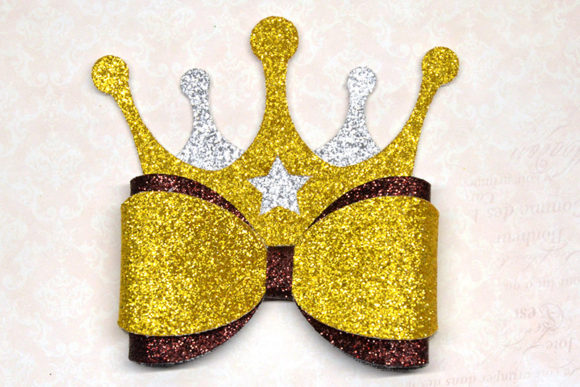
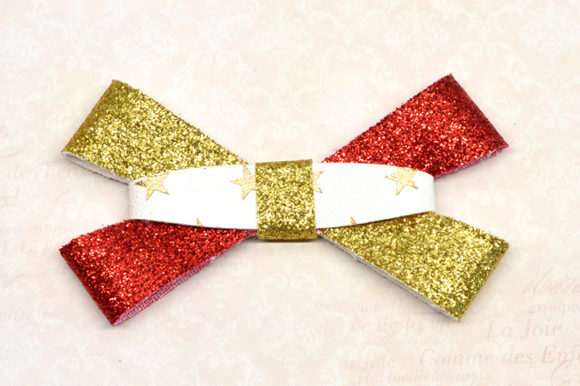
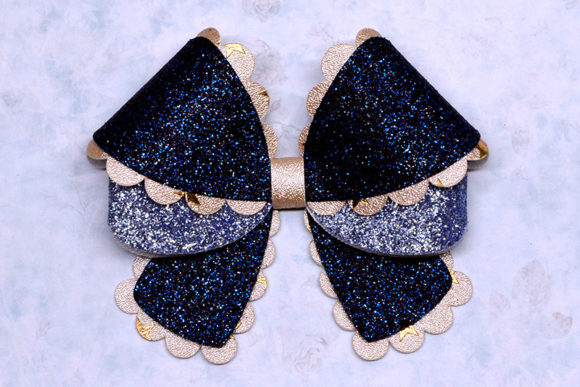
In the context of small business branding, the Scallop Bow Template serves as more than just decoration; it acts as a visual anchor. During the concept phase for my client’s holiday collection, we needed a unifying element that could transition seamlessly from an Etsy product listing to a physical thank-you card. This template provided that consistency. Because these bows can be made using cutting machine or scissors, the design bridges the gap between digital mockups and tangible reality. I utilized the SVG design to create accurate product mockups for the website, allowing customers to visualize the final texture before purchasing. Simultaneously, the file served as a cut file for actual packaging embellishments using faux leather and glitter vinyl.
This dual utility is rare in the creative marketplace. Often, a digital illustration lacks the precise geometry required for fabrication, or a cut file looks too rigid when used as web graphics. The Scallop Bow Template succeeds because the curves are mathematically smooth for screen rendering while remaining practical for material application. Whether you are designing t-shirt design graphics, sticker design sheets, or elaborate packaging design, having a single asset that performs across both mediums streamlines the workflow significantly. It reinforces brand recognition by ensuring the decorative elements look identical in Instagram posts and on the physical product received by the customer.
Material Versatility in Creative Design Applications
A critical aspect of reviewing any design bundle for commercial use is understanding its material limitations. The description notes that you can make them from faux leather, glitter vinyl, felt, glitter EVA, laminated fabric, or paper. From a designer's perspective, this material agnosticism is a major selling point for print-on-demand sellers and crafters. When I tested the template for a sublimation design project, the internal detailing held up beautifully on textured paper stocks. Conversely, when preparing files for a Cricut project involving stiff glitter EVA, the simplified outer paths prevented tearing during the cutting process.
For content creators and bloggers, this versatility translates into rich visual storytelling. You aren't limited to one aesthetic. A matte paper version evokes vintage editorial design, while a glossy vinyl rendition fits modern, high-energy social media graphics. This adaptability makes the Scallop Bow Template a valuable addition to any Canva template library or digital product suite. It allows marketers to maintain a consistent thematic thread across diverse campaigns without the design feeling repetitive. The ability to use them to make hair bows and tie bows, dec, and other accessories means the asset supports the entire product ecosystem, not just the marketing layer.
Navigating Visual Hierarchy and Layout Constraints
While the aesthetic appeal is high, professional judgment requires acknowledging where an asset should be used with caution. In my testing, the Scallop Bow Template excels in large layout areas, hero graphics, and as a primary focal point. However, it demands careful handling in complex compositions. Due to the intricate scalloped edges and 3D shading effects, reducing the asset below a certain threshold causes visual noise. At very small sizes, such as in footer icons or dense text blocks, the details can muddy, negatively impacting readability and visual hierarchy.
I advise against using this specific 3D SVG in minimalist corporate materials or designs requiring stark, flat aesthetics. The inherent depth and ornamentation clash with ultra-clean, Swiss-style grids. Instead, reserve this asset for projects where emotional appeal and texture are paramount. It works best as a decorative accent in invitations, a central element in Pinterest pins, or a framing device for product photography. When placed against busy backgrounds, ensure there is sufficient negative space around the bow to preserve its silhouette. If the background lacks contrast, the 3D effect flattens, diminishing the premium feel of the commercial design.
Technical Validation for Professional Deliverables
Before integrating any PNG design or vector file into a paid client project, rigorous technical validation is non-negotiable. My review process included several stress tests that I recommend for all designers considering this asset. First, always test the design in black and white. This reveals whether the form relies solely on color gradients or if the underlying geometry is strong enough to stand alone. A well-constructed Scallop Bow Template should remain recognizable and attractive even without its festive coloring.
Next, inspect the SVG editability. Can you easily separate layers to change colors for different brand palettes? Are the nodes optimized, or will they cause lag in design software? For those creating printable design assets, verify the resolution and transparency of included PNG files. Check how the edges render against both light and dark backgrounds to ensure no unwanted halos exist. Finally, and most importantly for small business owners and digital sellers, confirm the commercial license terms. Ensure the asset permits use in end products for sale, especially if you plan to incorporate it into a larger design bundle or merchandise line. Proper licensing protects your business and respects the original creator’s intellectual property.
Typography Pairings and Stylistic Cohesion
The success of the Scallop Bow Template often hinges on typographic choices. During the branding project, I found that the bow’s organic curves paired exceptionally well with traditional serif fonts and elegant scripts. These typefaces echo the classic, handcrafted nature of the illustration. Conversely, pairing it with a bold, geometric sans-serif created a striking modern contrast that appealed to a younger demographic. However, avoid overly distressed or grunge fonts, as they compete with the delicate details of the scallops and can make the overall composition look cluttered.
For editorial design and web design applications, consider the bow as a punctuation mark rather than a sentence. Use it to guide the eye through the content, breaking up text-heavy sections with visual relief. In social media graphics, position it to frame key information without obscuring legibility. The goal is to enhance the message, not overpower it. When used thoughtfully, this asset elevates the perceived value of the project, signaling to the audience that care and attention to detail have been invested in every touchpoint.
Final Assessment for Commercial Viability
After extensive testing across digital and physical mediums, the Scallop Bow Template proves to be a robust tool for creative professionals. It successfully navigates the challenging intersection of festive charm and commercial utility. For handmade businesses, Etsy sellers, and brand strategists, it offers a scalable solution for seasonal marketing that feels authentic rather than mass-produced. The ability to transition from a screen-based 3D SVG to a tangible faux leather accessory provides unmatched value for integrated campaigns.
However, its effectiveness depends entirely on intentional application. It is not a universal fix for every design problem but a specialized instrument for specific aesthetic goals. By respecting its size constraints, validating its technical specs, and pairing it with complementary typography, designers can leverage this asset to build trust, engagement, and sales. In a saturated market, assets that offer both digital flexibility and physical applicability are worth their weight in gold. This template earns its place in the professional toolkit for anyone serious about elevating their seasonal creative output.