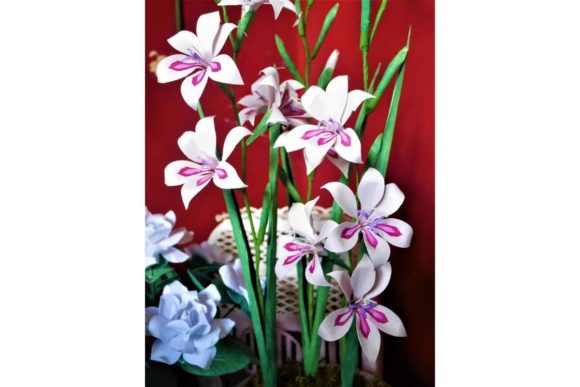
Schizopetalus Hibiscus Templates: A Designer's Review
As a professional embroidery digitizer and product reviewer, I approach every new design asset with a healthy dose of skepticism. When I first opened the Schizopetalus Hibiscus Paper Flower Templates, my immediate thought was about translation. We are looking at a digital file set originally intended for paper crafting—specifically 3D SVG formats—and evaluating its viability as a foundation for textile art. The package includes templates in SVG, JPG, PDF, PNG, and GSP formats, along with a detailed video tutorial. While the difficulty is listed as Easy, I believe it requires having a solid understanding of fabric behavior to truly succeed. This review breaks down how these templates perform when adapted for real-world embroidery projects, from custom apparel to boutique merchandise.
First Impressions: Organic Structure Meets Digital Precision
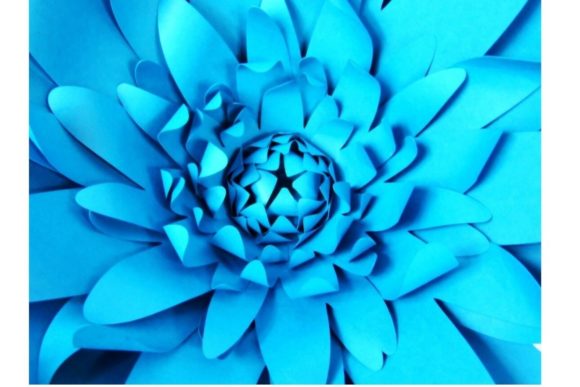
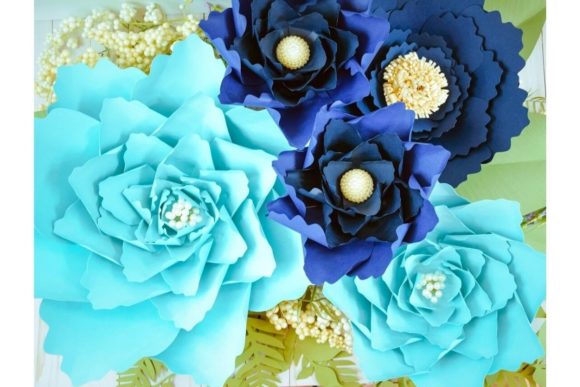
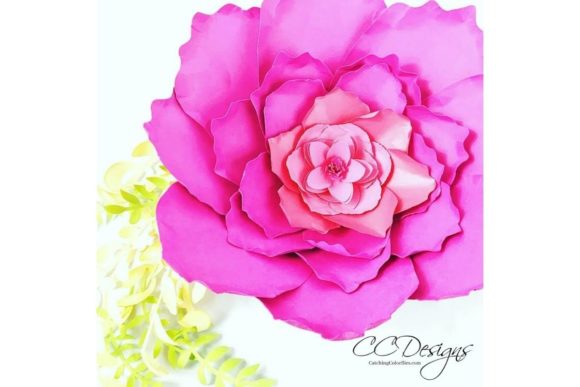
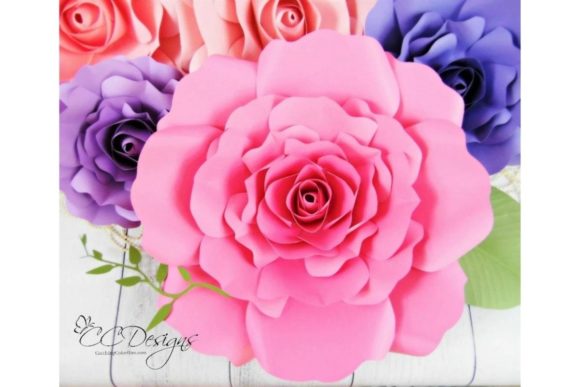
The visual personality of the Schizopetalus Hibiscus is distinct. Unlike standard hibiscus designs that often rely on heavy satin stitch borders or dense fill areas, this template captures the delicate, fringed nature of the actual flower. The mood is ethereal and botanical rather than bold and graphic. For an embroidery designer, this presents a unique opportunity. The lines in the provided SVG and PNG files are clean, which is crucial when importing them into digitizing software to create a machine embroidery design.
However, because these are paper flower templates, they lack inherent stitch logic. They are structural guides. As a designer, I see this not as a limitation, but as a blank canvas. The shape suggests a running stitch outline or a light applique design rather than a heavy patch. It feels like a design meant for high-end handmade products where texture matters more than coverage. If you are an Etsy seller or creative entrepreneur looking for something that doesn't look like generic clipart, this organic flow is a strong starting point.
Real-World Application: The Linen Tote Bag Test
To properly evaluate this asset, I simulated a project for a client who wanted a series of botanical tote bags for a summer wedding gift. I chose the Schizopetalus Hibiscus specifically because traditional floral embroidery can sometimes feel too heavy on natural linen. Using the template as a guide, I digitized a single-needle line art version combined with a raw-edge applique technique.
The result was surprisingly sophisticated. Because the template dictates the petal separation clearly, the stitching clarity remained high even on a textured fabric. For small business owners, this is vital. Customers trust products that look intentional. When I presented the finished product, the client noted that the flower looked "alive" rather than stamped on. This level of perceived value directly impacts pricing power for craft business owners. Whether you are creating sweatshirt embroidery, baby clothes, or holiday gifts, the versatility of this template allows it to scale from a subtle pocket accent to a large back piece without losing its identity.
Navigating Fabric Constraints and Technical Limits
While the aesthetic is beautiful, practical application requires caution. Since these are paper flower templates adapted for thread, you must be mindful of where you place them.
- Stretchy Fabrics: The intricate petal details in the Schizopetalus Hibiscus can distort on jersey knits or spandex blends. If you are doing custom apparel like t-shirts, use a cut-away stabilizer and consider simplifying the inner details of the template to prevent puckering.
- Dark Fabrics: The template relies on line definition. On dark backgrounds, fine running stitches may disappear. You may need to convert the design to a white underlay or a thicker satin stitch border to maintain visibility.
- Curved Surfaces: Hooping caps or curved pillow covers can be tricky with this specific shape. The wide spread of the hibiscus petals may exceed the safe stitching area of a standard cap hoop. Always confirm your hoop size against the template dimensions before committing to a production run.
- Frequent Washing: For items like kitchen towels or baby blankets, ensure your stitch density is adequate. A direct trace of a paper template might be too sparse to survive industrial laundering. Reinforce connection points between petals.
Elevating Brand Consistency and Product Value
For digital product sellers and makers, consistency is key to building a recognizable brand. The Schizopetalus Hibiscus Paper Flower Templates offer a cohesive style that pairs well with other botanical assets. When used across a product line—perhaps matching nursery decor with personalized baby embroidery—it creates a curated collection feel that buyers love.
Furthermore, the inclusion of multiple file formats (SVG, JPG, PDF, PNG, GSP) adds immense value for those selling printable mockups or digital design assets. You can use the high-resolution PNGs to create accurate previews for your shop listings before you even stitch a single sample. This saves time and materials. However, always verify licensing. Just because a file is available digitally does not automatically grant commercial rights for selling finished embroidered goods or redistributing the digital embroidery file itself. Protecting your business means respecting intellectual property.
Essential Notes for the Embroidery Professional
Before you load this design into your machine or list it in your shop, run through this practical checklist. These steps separate hobbyists from professionals.
- Test on Scrap Fabric First: Never assume a paper template translates perfectly to thread. Stitch out the design on a scrap of the exact fabric you intend to use. Check for registration issues between the applique material and the top stitching.
- Analyze Thread Color Contrast: The Schizopetalus Hibiscus has subtle shading in its natural form. In embroidery, this must be replicated through thread color changes or variegated threads. Test your palette in black and white mockups to ensure the values read correctly without color reliance.
- Review Stitch Density: Since this originates as a 3D SVG for paper, the lines may be uniform. In embroidery, outer edges often require denser locking stitches. Adjust your digitizing parameters to prevent fraying.
- Inspect Small Details: The fringed edges characteristic of this hibiscus variety can become muddy if scaled down too small. Determine the minimum viable size for your specific machine and thread weight.
- Stabilizer Selection: Match your stabilizer to the end use. Use tear-away for stable woven fabrics in decorative projects, and cut-away for wearable custom apparel to ensure longevity.
Final Verdict for Makers and Sellers
The Schizopetalus Hibiscus Paper Flower Templates represent a bridge between paper crafting precision and textile artistry. They are not a plug-and-play solution for beginners who expect instant results without adjustment, but for the experienced designer, they are a goldmine of structural inspiration. The detailed video tutorial included in the digital delivery helps bridge the gap, but your own expertise in fabric handling will determine the final quality.
For the Etsy seller or small shop owner, this design offers a path away from saturated markets filled with generic florals. It supports the creation of refined, personalized gifts and commercial embroidery projects that command higher price points due to their unique, handcrafted aesthetic. By treating these templates as a foundational blueprint rather than a final product, you unlock their true potential. Remember to respect the technical constraints of your chosen medium, test rigorously, and leverage the multi-format delivery to streamline your workflow. When executed with care, the Schizopetalus Hibiscus transforms from a simple digital file into a signature element of your creative portfolio.