Flat Bow Template: A Designer’s Review for Embroidery
When evaluating a new asset for my design library, I look beyond the initial preview image and consider how the shape will actually translate into stitches. The Flat Bow Template immediately caught my attention not just as a digital cutting file, but as a foundational structure for mixed-media embroidery projects. As someone who frequently creates custom apparel and holiday merchandise for small business clients, I need templates that are versatile enough to bridge the gap between vinyl crafting and machine embroidery. This review breaks down how this specific template performs when adapted for real-world stitching applications, from boutique sweatshirts to personalized baby gifts.
First Impressions and Structural Integrity
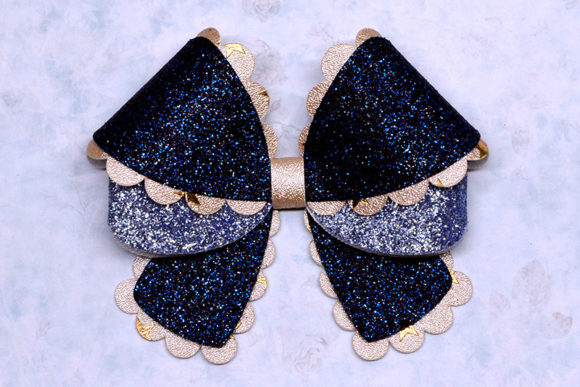
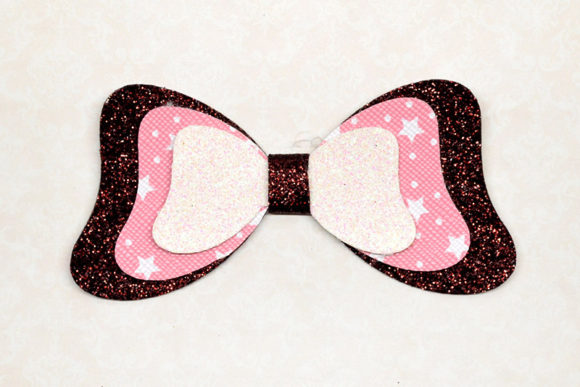
My first impression of the Flat Bow Template is that it possesses excellent geometric balance. Many bow designs suffer from asymmetrical loops or tails that are too thin to stitch cleanly, but this template offers a robust silhouette. The lines are confident and smooth, which is critical when converting a vector shape into an applique design or a satin stitch border. For a designer, this means less time redrawing nodes in digitizing software and more time focusing on thread colors and texture.
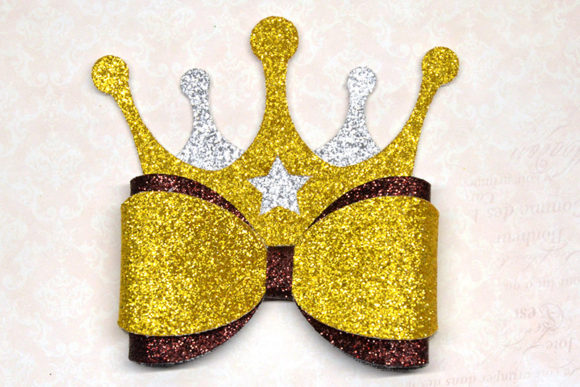
Although marketed primarily for cutting machines using materials like faux leather, glitter vinyl, felt, and laminated fabric, the shape translates beautifully to embroidery. The proportions suggest it was designed with physical material limitations in mind, which inadvertently makes it perfect for fabric manipulation. When I visualize this as a 3D SVG concept applied to textile art, I see potential for layered dimensionality rather than just a flat graphic. It feels festive without being overly juvenile, making it appropriate for both children’s holiday embroidery and sophisticated adult accessories.
Real-World Application: The Custom Sweatshirt Test
To truly judge this template, I mentally walked through a recent client request for a batch of personalized Christmas sweatshirts. The client wanted a "boutique style" aesthetic that combined texture with traditional stitching. Using the Flat Bow Template as the base, I envisioned a mixed-media approach where the bow itself is cut from glitter EVA or faux leather, while the surrounding elements are embroidered.
In this scenario, the template serves as the anchor. Because the shape is clean, it allows for precise placement of a running stitch outline to secure the applique material. If you were to stitch this entirely as a fill stitch design, the template’s generous surface area provides enough room for interesting stitch patterns without becoming bulletproof or stiff. For a tote bag design or an apron, this scale works perfectly as a central focal point. However, for baby embroidery on delicate onesies, I would recommend scaling the template down by 40% and simplifying any internal details to prevent the fabric from puckering.
For Etsy sellers and craft business owners, this versatility is a major selling point. You can use the exact same digital embroidery file to create hair clips (using the original size), mug rugs, and pocket accents simply by adjusting your hoop size and material choice. This consistency helps build brand recognition across different product lines.
Navigating Fabric Textures and Stabilizer Choices
While the Flat Bow Template is user-friendly, success depends heavily on matching the design to the right substrate. During my evaluation, I noted specific areas where caution is required:
- Stretchy Fabrics: If applying this to ribbed knit or spandex blends, the wide span of the bow loops can distort. Always use a high-quality cut-away stabilizer and consider a light topping to prevent stitches from sinking into the knit texture.
- Textured Materials: When using the template to guide cuts for glitter vinyl or faux leather, ensure your blade depth is calibrated. If adapting for embroidery on terry cloth or minky, the plush pile can obscure fine details. Use a water-soluble topping to keep the satin stitch edges crisp.
- Dark Fabrics: High-contrast thread colors are essential here. A white satin stitch on navy fleece looks stunning, but if you attempt tone-on-tone stitching with this template, the visual impact may get lost unless you vary the stitch direction or density.
- Curved Surfaces: Placing this bow on a structured cap requires careful hooping. The horizontal width of the template might exceed the safe stitch area of a standard cap frame. Always measure your specific hoop size before committing to a production run.
Enhancing Product Value and Customer Trust
In the competitive landscape of handmade products and commercial embroidery, presentation dictates perceived value. A sloppy bow shape screams "amateur," regardless of the stitch quality. The Flat Bow Template provides a professional baseline that elevates the finished product. When customers receive a personalized gift or purchase a small shop product, they notice symmetry and intentionality.
Using a well-proportioned template also aids in creating accurate printable mockups. Before I even thread my machine, I can overlay this SVG onto digital garment previews to show clients exactly what to expect. This reduces revision rounds and builds trust. Furthermore, because the template supports various mediums—from paper crafts to laminated fabric decorations—you can offer cohesive collections. Imagine selling a matching set consisting of an embroidered patch, a vinyl decal, and a physical hair bow, all derived from the same master design asset. This cross-category utility maximizes the return on investment for creative entrepreneurs.
Essential Designer Notes for Production
Before adding this to your next holiday collection or listing it as a digital product, adhere to these practical checkpoints:
- Test Stitch on Scrap: Never run a full production batch without testing. Verify how the template interacts with your chosen stabilizer and thread tension.
- Check Licensing: Confirm whether your purchase includes commercial rights for selling finished items versus digital files. This distinction is vital for Etsy sellers and apparel decorators.
- Evaluate Density: If digitizing this yourself, check the stitch density. Faux leather and glitter vinyl require fewer penetrations to avoid perforating the material like a stamp. Adjust underlay accordingly.
- Mockup in Black and White: Strip away color to evaluate the shape’s readability. If the bow loses definition in grayscale, adjust the spacing or add contrast stitching.
- Scale Responsibly: Remember that resizing affects stitch count and density. If you enlarge the template significantly for a pillow cover, ensure your software recalculates the fill stitches to avoid gaps.
Final Thoughts for Makers and Sellers
The Flat Bow Template is more than just a seasonal graphic; it is a functional tool for makers who value precision and adaptability. Whether you are creating custom apparel, designing nursery decor, or expanding your inventory of holiday embroidery assets, this shape offers a reliable foundation. Its compatibility with diverse materials like felt, paper, and vinyl makes it a standout choice for mixed-media artists. By respecting the technical requirements of your specific machine and fabric, you can transform this simple template into high-value, professional-grade merchandise that resonates with buyers and stands the test of wear.