Halloween 3D: A Designer’s Review for Embroidery
As a professional embroidery designer and product reviewer, I approach every new asset with a critical eye toward production viability. When evaluating Halloween 3D, my primary focus is not just the aesthetic appeal of the illustration, but how its vector structure translates into thread on fabric. While this product is categorized under Shadow Boxes and provided as a 3D SVG, experienced makers know that these scalable vector files are often the secret weapon behind high-quality machine embroidery designs. Because the file is resizable with no loss of quality, it offers a unique advantage for digitizers and crafters looking to create custom apparel or personalized gifts without the pixelation issues associated with raster images.
First Impressions and Visual Personality
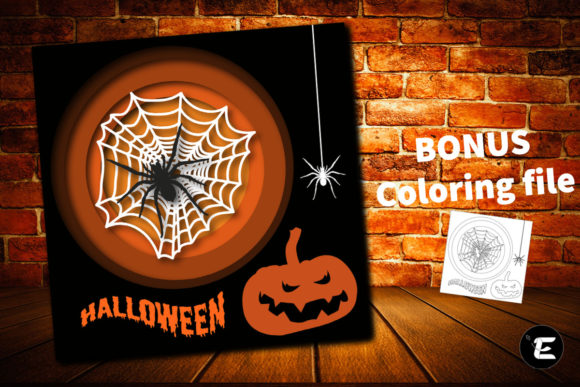
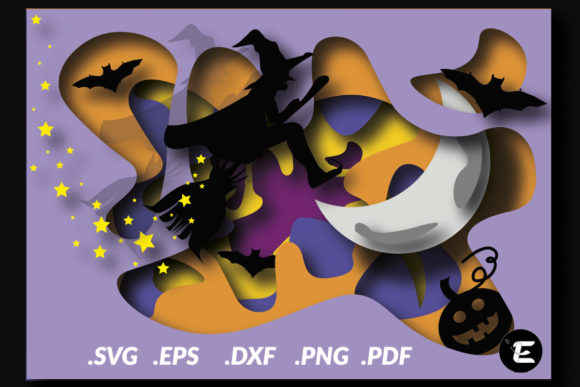
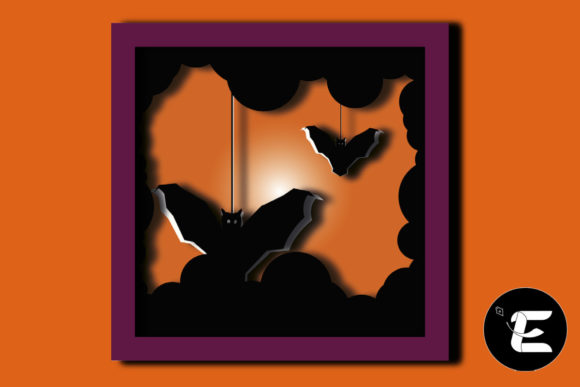
Upon opening the Halloween 3D files, the immediate impression is one of depth and intentionality. Unlike flat clip art, the layered nature of this 3D SVG suggests a design that understands dimension. For an embroidery project, this is crucial. The visual personality feels modern yet nostalgic, striking a balance that appeals to both boutique shoppers and traditional holiday enthusiasts. The lines appear clean and deliberate, which typically indicates that converting this into an applique design or a complex fill stitch pattern will be smoother than with auto-digitized alternatives. The mood is festive without being overly juvenile, making it suitable for adult sweatshirt embroidery as well as nursery decor.
Real-World Application: The Custom Sweatshirt Test
To truly judge the value of this digital embroidery file, I mentally placed it in a real-life production scenario: creating a premium crewneck sweatshirt for an Etsy seller’s fall collection. In this context, Halloween 3D serves as more than just decoration; it is a value driver. When preparing a design for fleece or French terry, the "3D" aspect of the vector allows for strategic layering. I envision using the separate layers of the SVG to create a multi-texture effect, perhaps combining a matte cotton base with a shiny rayon satin stitch for highlights.
For a handmade product like this, customers expect crisp edges and professional density. Because Halloween 3D is a resizable vector, I can adjust the scale to fit a 4x4 hoop size for a subtle chest logo or expand it to a 6x10 hoop for a full-back statement piece without redrawing the artwork. This flexibility is essential for small shop products where inventory space is limited, and on-demand customization is key. The design’s structure supports high perceived value, helping justify a higher price point for finished goods compared to generic, flat prints.
Navigating Fabric Constraints and Hoop Sizes
While the versatility of Halloween 3D is impressive, practical application requires caution regarding fabric texture and stability. As with any detailed embroidery file, the interaction between stitch density and material weight is paramount.
- Stretchy Fabrics: If applying this design to ribbed knits or performance wear, the intricate details inherent in a 3D style illustration may distort. Always use a heavy-weight cutaway stabilizer and consider a water-soluble topping to prevent stitches from sinking into the pile.
- Small Hoop Limitations: Although the SVG scales infinitely, physical thread has thickness. Reducing Halloween 3D below 3 inches may cause satin stitch columns to merge or tiny running stitch details to disappear. Always verify the minimum viable size before mass production.
- Dark vs. Light Backgrounds: The contrast of thread colors against the garment matters immensely. On black fabric, ensure the design includes sufficient underlay or lighter outline stitches so the 3D effect doesn't get lost in the shadows.
- Curved Surfaces: When adapting this for caps or curved tote bag panels, the flat perspective of the original 3D SVG may need manual adjustment during digitizing to account for the cylindrical distortion of the hoop.
Elevating Brand Consistency and Buyer Trust
For creative entrepreneurs and commercial embroidery businesses, consistency builds trust. Using a high-fidelity source like Halloween 3D ensures that your printable mockups match the final stitched output. There is nothing worse for an Etsy seller than receiving a return because the embroidered patch looked nothing like the digital preview. The clean vectors in this package allow for accurate color mapping and realistic rendering in marketing materials.
Furthermore, the professional presentation of this design asset reflects on your brand. Whether you are selling the finished holiday embroidery item or offering it as part of a larger collection, the clarity of the design signals quality. Buyers recognize when a design has been thoughtfully constructed versus when it has been hastily converted. This attention to detail fosters customer loyalty and encourages repeat business, especially in the competitive niche of seasonal craft business items.
Critical Designer Notes for Production Success
Before loading Halloween 3D into your embroidery software or sending it to a contract digitizer, adhere to these professional best practices to ensure a flawless finished product:
- Verify Licensing Terms: The product description confirms file formats (.SVG, .PNG, .PDF, .EPS) but does not explicitly state commercial usage rights for embroidered goods. Always confirm whether you can sell finished items or if the license restricts use to personal projects before listing products.
- Test Stitch on Scrap: Never run a new design directly on a client’s garment. Test the stitch density and registration on a scrap of the exact fabric you intend to use. This reveals if the 3D layering effects translate well to thread.
- Check Thread Color Contrast: View the design in grayscale or black and white within your software. If the 3D depth relies solely on color rather than value contrast, it may look flat when stitched in monochrome threads.
- Validate File Integrity: Since multiple formats are included, open the .EPS or .SVG in your vector software first to ensure all nodes are closed and paths are continuous. This prevents jagged edges in your satin stitches.
- Assess Washability: If this design is intended for baby embroidery or kitchen towels, ensure the stitch type is durable. Complex 3D-style fills may require additional tack-down stitches to withstand frequent laundering without fraying.
Final Thoughts on Versatility and Value
Halloween 3D represents a strong foundation for seasonal embroidery projects, provided it is treated with the technical respect required for textile application. Its strength lies in its scalable vector format, which empowers designers to adapt the artwork for everything from delicate baby clothes to bold tote bag designs. By understanding the relationship between the digital file and the physical constraints of machine embroidery, makers can transform this illustration into a profitable, high-quality asset. Whether you are a hobbyist exploring shadow box techniques or a business owner expanding your holiday catalog, this design offers the structural integrity needed for professional results. Just remember to validate your specific production variables, and this illustration will serve as a reliable cornerstone for your autumn creative endeavors.