Mandala Light Box Shadowbox: A Designer’s Review
As an embroidery designer and product reviewer, I approach every new machine embroidery design with a critical eye. It is not enough for a file to simply look pretty on a screen; it must perform under the needle and translate into a viable handmade product. When evaluating the Mandala Light Box Shadowbox, my first impression was one of intricate balance. The description suggests that mandalas are keys to dreams, serving as wonderful home decor or unique gifts. From a technical standpoint, this specific design bridges the gap between digital artistry and tangible craft. However, because this is categorized as a 3D SVG intended for shadow boxes, applying it to textile projects requires careful consideration of how those precise lines will interact with thread and fabric.
Translating Digital Precision to Textile Reality
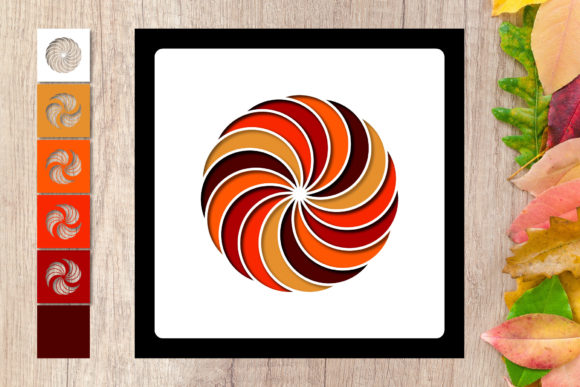
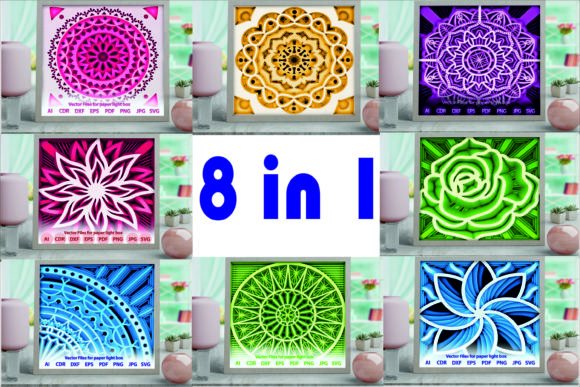
The visual personality of the Mandala Light Box Shadowbox is defined by symmetry and meditative repetition. In its native 3D SVG format, these layers create depth through physical spacing. When adapting this aesthetic for embroidery, we are essentially trying to replicate that depth using stitch density and thread colors rather than paper or wood layers. The mood is serene yet complex, making it naturally suited for projects that benefit from a focal point. Unlike a simple logo or monogram, this design demands attention. It feels less like a casual accent and more like a centerpiece. For a craft business or Etsy seller, this distinction is vital. You are not just selling a stitched item; you are selling an atmosphere. The design carries a spiritual and artistic weight that elevates perceived value, provided the execution matches the source material's elegance.
Real-World Application: The Custom Nursery Lamp Project
To truly test the viability of this design, I mentally applied it to a recent client request: a custom embroidered lampshade cover for a nursery. The client wanted something gender-neutral, calming, and safe. This is where the Mandala Light Box Shadowbox concept shines in a textile application. While the original file is for a shadow box, the line work translates beautifully into a tote bag design or, in this case, a decorative textile overlay for lighting.
In this scenario, I envisioned using a sheer organza backed with a water-soluble stabilizer to mimic the translucent layers of a light box. The goal was to create a freestanding lace effect that could be mounted or draped. For a personalized gift like this, the intricate geometry offers a high-end boutique feel that standard clipart cannot achieve. However, this real-life application also highlighted potential pitfalls. If I were stitching this onto a thick cotton canvas for a pillow cover instead, the delicate inner details might get lost. The design’s success depends entirely on matching the substrate to the complexity of the mandala. For commercial embroidery ventures, this means you cannot use a one-size-fits-all approach; the fabric choice dictates whether the design sings or sinks.
Navigating Fabric Constraints and Technical Limits
While the Mandala Light Box Shadowbox is visually stunning, it presents specific challenges that every embroidery project manager must respect. The most significant concern is detail retention on textured surfaces. Mandalas rely on crisp, continuous lines. If you attempt this on terry cloth, fleece, or heavy linen without proper preparation, the texture will swallow the fine running stitch elements. I strongly advise against using this design on high-pile fabrics unless you employ a heavy topping and perhaps simplify the innermost rings.
Furthermore, consider the hoop size. Mandalas are circular and often push the boundaries of standard hoops. If your machine has a smaller field, resizing becomes a mathematical risk. Reducing a complex mandala by even 20% can cause satin stitches to merge and fill areas to become bulletproof. Always verify the minimum recommended size before purchasing or stitching. Stretchy fabrics like jersey knits used in sweatshirt embroidery or baby clothes are another danger zone. The radial tension of a mandala can distort stretchy material, causing puckering that ruins the symmetry. If you must use this on apparel, opt for stable woven cottons or use extensive cut-away stabilizer to maintain structural integrity.
Elevating Brand Value Through Intentional Design
For small shop product lines and digital creators, consistency builds trust. Using a design as sophisticated as the Mandala Light Box Shadowbox signals professionalism, but only if the finished output is flawless. Customers associate intricate embroidery with luxury. If the registration is off or the thread breaks frequently due to poor digitizing adaptation, that perception of quality evaporates. Conversely, when executed well, this design enhances brand recognition. It works exceptionally well for holiday embroidery ornaments, wedding favors, and meditation accessories because the motif itself carries cultural and emotional resonance.
When creating printable mockups or digital previews for your shop, ensure you represent the texture accurately. Do not just paste the vector SVG onto a shirt template. Show the stitch direction. Buyers need to understand they are purchasing a textile interpretation of a light box concept, not the paper craft itself. This transparency reduces returns and increases buyer engagement. The design’s versatility allows it to span categories—from custom apparel patches to wall hangings—making it a valuable asset for sellers who want to maximize ROI on a single digital embroidery file.
Critical Notes for Makers and Sellers
Before you load this design into your machine or list it in your store, adhere to these practical guidelines derived from professional review standards:
- Test Stitching is Mandatory: Never run a complex mandala on a final product first. Use scrap fabric identical to your project base to check tension and registration.
- Verify Licensing: Since this originates as a 3D SVG for shadow boxes, confirm explicitly that you have the rights to convert and sell it as an embroidered good. Assumptions here can lead to copyright issues.
- Contrast Checks: Test the design in black and white before choosing threads. Low contrast between the fabric and thread will hide the mandala’s depth. High contrast is usually safer for intricate geometry.
- Stabilizer Strategy: For freestanding applications mimicking the light box, use multiple layers of water-soluble stabilizer. For fabric applications, match the stabilizer weight to the stitch density to prevent warping.
- Detail Inspection: Zoom in to 100% in your embroidery software. Check for overlapping stitches or gaps that may not be visible in the vector preview. Clean up any nodes that could cause needle breaks.
- Mockup Accuracy: When marketing to Etsy seller audiences or end consumers, show photos of actual stitched samples alongside digital renders to manage expectations regarding texture and sheen.
The Mandala Light Box Shadowbox offers a beautiful intersection of digital precision and traditional craft. Whether you are creating a serene nursery decoration, a bespoke wedding gift, or expanding your design assets library, success lies in respecting the technical requirements of the medium. By treating this design with the same care you would give to the original paper art, you ensure that the final finished product truly opens the door to the dream it promises.