Mandala 3D Multi Layer Cut File SVG Review
As a designer who bridges the gap between digital cutting files and machine embroidery, I approach every new asset with a specific question: how will this translate to thread? When I first opened the Mandala 3D Multi Layer Cut File SVG, my immediate impression was one of intricate balance. While this product is categorized under Shadow Boxes and marketed as a 3D SVG for paper crafting, the geometric precision and layered structure caught my eye as a potential candidate for mixed-media textile projects. The mood is serene yet complex, offering a visual depth that flat embroidery often struggles to achieve without excessive stitch counts.
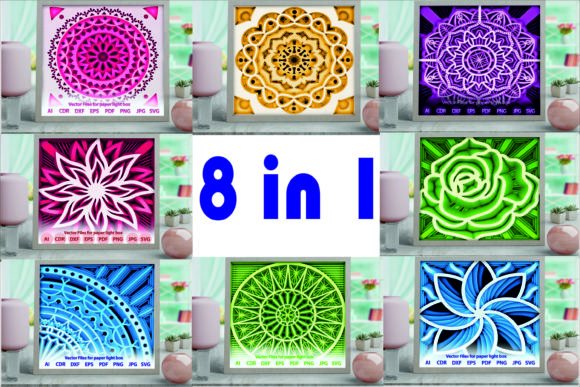
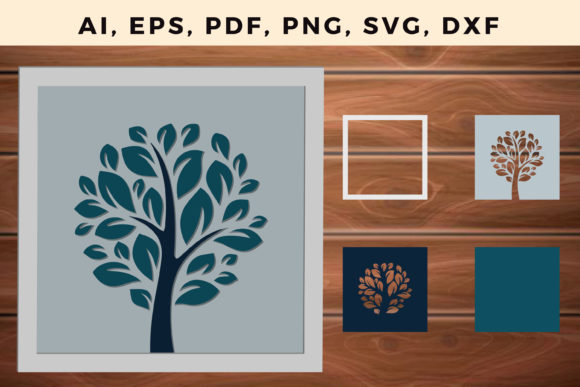
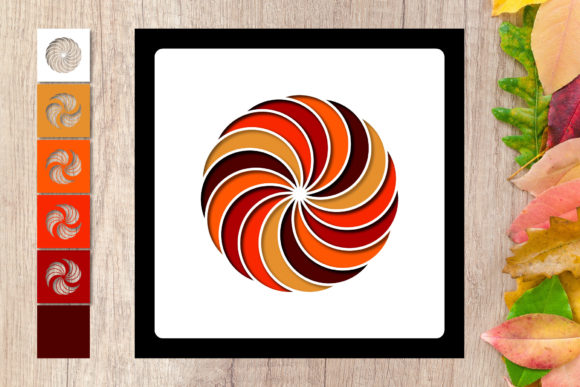
For fellow Etsy sellers, craft business owners, and makers, it is vital to distinguish what this file actually is. You are receiving 7 SVG files and 7 DXF files, including one combined file with all six layers and individual files for each layer. These are vector cut files, not pre-digitized embroidery files. However, for the creative entrepreneur willing to digitize or use these as templates for applique design, the structural integrity of this mandala offers a unique opportunity to create high-value, textured goods that stand out in a saturated market.
Translating Vector Layers to Textile Depth
In a recent studio session, I evaluated this Mandala 3D Multi Layer Cut File SVG for a custom boutique project involving premium tote bags and coordinating nursery decor. My goal was to see if the six distinct layers could serve as a guide for a dimensional embroidery project rather than just a paper shadow box. The layout is exceptionally clean, which is crucial when converting vectors to stitches. Jagged nodes or poor vector hygiene can ruin an embroidery file, but this design maintains smooth curves and logical separation between layers.
When adapting this for a sweatshirt embroidery project or a personalized gift, the multi-layer aspect allows for incredible creativity. Instead of stitching a dense, bulletproof patch, I used the individual layer files to create separate applique pieces. By cutting fabric layers using the DXF files and then securing them with a running stitch or narrow satin stitch, the finished product retained the 3D aesthetic intended by the original designer. This method significantly reduces stitch density compared to traditional fill stitch mandalas, making it safer for stretchy fabrics and more comfortable on custom apparel. For a baby embroidery project, this reduction in bulk is non-negotiable for safety and comfort.
Strategic Applications for Makers and Sellers
The versatility of this design asset shines when you move beyond standard flat stitching. For small shop products and holiday embroidery collections, the mandala’s symmetry provides a professional, high-end look that customers associate with quality. I found it particularly effective for home decor items like pillow covers and tea towels where the 3D effect mimics the popular paper shadow box trend but with the durability of fabric.
- Mixed Media Tote Bags: Use the outer layers as laser-cut or die-cut fabric appliques and the inner layers as detailed embroidery to reduce production time while increasing perceived value.
- Nursery Decor: The soft, radial geometry is perfect for baby blankets and wall hangings. The separate layer files allow you to adjust colors easily to match specific nursery themes without redigitizing.
- Boutique Branding: Create a signature look for your craft business by using this mandala as a consistent motif across tags, packaging, and featured products.
- Embroidered Patches: Because the layers are separated, this design works beautifully for creating chenille or felt patches where physical stacking creates genuine dimension.
For digital product sellers and those creating printable mockups, the clean vector lines of this 3D SVG make it an excellent base for showcasing potential colorways to clients before committing to production. It bridges the gap between digital planning and physical execution seamlessly.
Critical Considerations for Fabric and Hoop Size
While the Mandala 3D Multi Layer Cut File SVG is visually stunning, practical application requires caution. As a reviewer, I must emphasize that because this is a cut file, you cannot simply load it into your embroidery machine and press start. It requires either digitizing software to convert the vectors to stitches or a cutting machine to prepare fabric layers for applique. Always verify your licensing terms before selling finished items or using the design commercially, as specific usage rights for embroidery adaptation may differ from paper crafting licenses.
Fabric texture plays a massive role in the success of this design. On textured fabrics like linen or canvas, the fine details of the inner layers may get lost. I recommend testing on scrap fabric first to ensure the stitch definition holds up against the weave. For dark fabrics, contrast is key; the intricate layering relies on shadow and light, so tonal thread colors might flatten the design. Bright or metallic threads on dark backgrounds help maintain the 3D illusion.
Hoop size and stabilizer choice are equally critical. A design with this level of geometric detail demands proper stabilization to prevent puckering, especially if you are combining cut layers with embroidered elements. If you are working with small hoop sizes, you may need to scale down or isolate specific layers of the mandala. Scaling a complex 6-layer design too small can result in muddy details where satin stitches overlap. Conversely, on curved surfaces like caps, the full radial symmetry may distort; consider using only the central layers for headwear.
Ensuring Professional Results and Customer Trust
Your reputation as a handmade shop owner or commercial embroidery provider hinges on the finish quality of your work. Using a design like this Mandala 3D Multi Layer Cut File SVG signals to buyers that you are tapping into current trends (shadow boxes and 3D art) but executing them with textile expertise. However, sloppy execution destroys trust. Before listing any product, inspect small details and tiny lettering if you add personalization. Ensure that the transition between the cut fabric layers and the embroidered anchors is seamless.
I strongly advise checking stitch density if you choose to fully digitize this vector. Overly dense areas can cause needle breaks or fabric distortion. Test the design in both black and white mockups to evaluate contrast independent of color. Compare how it looks on light versus dark fabric backgrounds to determine which yields the best visual pop. Remember that while this file includes DXF and SVG formats compatible with many cutting machines, compatibility with specific embroidery software varies. Always confirm that your equipment can import these vector formats for tracing or digitizing.
Ultimately, this design is a powerful tool for the maker who understands hybrid techniques. It is not a plug-and-play embroidery file, but rather a foundational blueprint for creating sophisticated, multi-dimensional textile art. Whether you are producing holiday gifts, wedding keepsakes, or everyday custom apparel, the Mandala 3D Multi Layer Cut File SVG offers the structural elegance needed to elevate your portfolio. Approach it with technical respect, test thoroughly, and it can become a cornerstone asset for your creative business.